



Published on: August 20, 2026
Most people tend to associate tick bites with well-known infections such as Lyme disease, but some ticks can trigger an entirely different health problem known as Alpha-Gal Syndrome. This condition can cause an allergic reaction to red meat and other mammal-derived products, sometimes occurring hours after consumption. As awareness of Alpha-Gal Syndrome continues to grow across the Southeast, Florida residents need to familiarize themselves with the signs and symptoms, as well as the importance of early diagnosis. Keep reading as we explore what Alpha-Gal Syndrome is and why Florida residents who spend time outdoors should be aware of it.
What Is Alpha-Gal Syndrome?
Alpha-Gal Syndrome is an allergic condition that results in a reaction to a sugar molecule called alpha-gal. This molecule is in most mammals. You may hear this condition referred to as a red meat allergy, but it’s triggered in most cases by a bite from specific ticks. In the U.S., the Lone Star tick most commonly causes this condition. Alpha-Gal Syndrome occurs when an infected tick bites someone, injecting the alpha-gal molecules into the body. The body then produces antibodies, and the person may experience an allergic reaction when exposed to alpha-gal or when consuming red meat. Allergic reactions often occur two to ten hours after eating meat or exposure, unlike those to most other foods.
Is Alpha-Gal Syndrome Found in Florida?
Throughout Florida, Alpha-Gal Syndrome is becoming an increasing concern. As awareness of the condition increases throughout the Southeast, Florida residents who spend a lot of time outdoors must be aware of the increased risk of exposure. Lone Star ticks are throughout the state, but they are more common in North and North-Central Florida. They are the most common ticks that bite humans in Florida. In Florida, ticks are active year-round, but their peak activity occurs in the summer months. As many residents spend time outdoors year-round, they need to be aware of this condition and take preventive measures when enjoying the outdoors.
Common Signs and Symptoms
Allergic Reactions After Eating Red Meat
The most common symptom of Alpha-Gal Syndrome is an allergic reaction two to ten hours after eating red meat. You may notice hives or a rash, itching, and swelling.
Digestive Symptoms
Other signs of Alpha-Gal Syndrome include gastrointestinal issues, such as nausea, diarrhea, indigestion, or stomach cramps. These will once again not occur immediately after eating and may come on in the hours after consuming red meat or dairy products.
Severe Reactions
In some cases, Alpha-Gal Syndrome can cause severe reactions in patients, including dizziness, swelling of the lips, tongue, or throat, and difficulty breathing. Anaphylaxis is a severe and potentially deadly reaction to this condition and requires immediate medical attention.
How Is Alpha-Gal Syndrome Diagnosed?
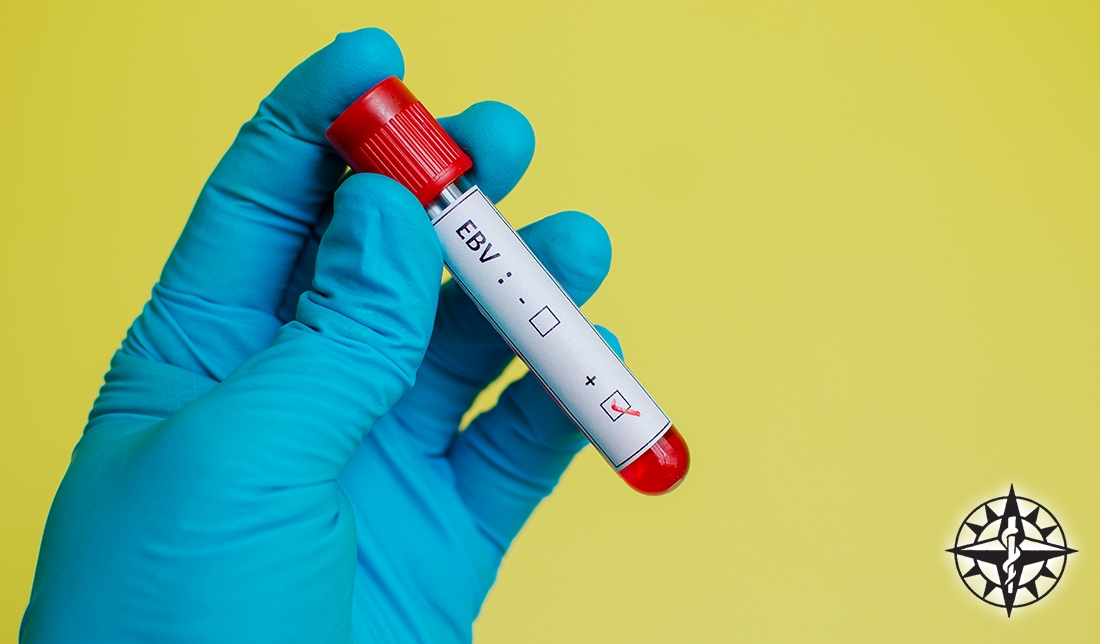
When it comes to diagnosing Alpha-Gal Syndrome, the process often starts with a discussion of your symptoms and dietary history. If your red meat allergy has developed out of nowhere, the likelihood of a connection to this condition increases. You will be asked about prior tick exposure and your outdoor activities to review the probability of your exposure to an infected tick. The primary blood test used to diagnose Alpha-Gal Syndrome is the Alpha-Gal-specific IgE blood test. This test works by measuring the amount of immunoglobulin E antibodies that your immune system produces in response to the alpha-gal sugar molecule. Your doctor may order this test alone or as part of a panel of blood tests.
Other options for testing Alpha-Gal Syndrome include an Alpha-Gal allergy panel or Total IgE testing. These can provide additional information about your allergies and help clarify your sensitivities to specific meats, including beef, pork, and lamb. Unfortunately, this condition is often misdiagnosed in many patients. There are also test panels you can purchase online, but we always recommend leaving this to the professionals. Individuals often test positive for the condition because they have antibodies, especially in Florida and other areas with high numbers of Lone Star ticks. That’s why you should always work with a medical professional who can also review your symptoms and medical history alongside the results from your blood tests.
Managing Alpha-Gal Syndrome
If you are diagnosed with Alpha-Gal Syndrome, the best way to manage this condition is to avoid foods that trigger symptoms. These foods may include beef, pork, lamb, and venison. You may also find you cannot eat dairy products, including milk, cheese, and butter; gelatin; and broths or gravies made with bones or meat. Also, you’ll need to be aware of mammal-derived pharmaceutical products, including some vaccines. You’ll also want to take steps to prevent future tick bites by wearing additional layers, tucking your pants in, and using the right insect repellents. After your diagnosis, ensure you regularly meet with your healthcare provider to manage your condition and discuss any concerns about your symptoms.
When to See an Infectious Disease Specialist
If you notice unexplained allergic reactions after eating meat, we highly recommend seeing a specialist. These symptoms typically occur several hours after meals, rather than an immediate reaction that may suggest a food allergy. Should you have concerns following a tick bite, this is also another reason to see a specialist and consider testing for Alpha-Gal Syndrome.
Alpha-Gal Syndrome can significantly impact your quality of life if it is left undiagnosed, and leave you in fear of eating red meat and other animal-derived products. Early recognition and proper diagnosis of Alpha-Gal Syndrome can help patients avoid serious allergic reactions and better manage their symptoms. An infectious disease specialist will be happy to discuss your symptoms and concerns and then perform tests that can determine whether you have Alpha-Gal Syndrome.
If you have experienced unexplained allergic reactions after eating red meat or are concerned about symptoms of Alpha-Gal Syndrome following a tick bite, contact Infectious Disease Associates of Tampa Bay today at (813) 251-8444 to schedule an evaluation and learn whether Alpha-Gal Syndrome may be the cause.