



Care for persons with HIV
Did you know that as of 2021 ~ 1.2 million people in the U.S have HIV and 13% are unaware that they are infected? In Florida alone 117,244 people are living HIV. The good news is that overall, the number of new cases is starting to decline but unfortunately Florida leads the U.S. in 2021 in the number of new HIV cases. This is especially true in Hillsborough and Pinellas counties and in 13–24-year-olds.
The U.S is dedicated to ending the HIV epidemic.
The Ending the HIV Epidemic in the U.S. (EHE) initiative focuses on these important initiatives:
- Diagnose: Diagnose all people with HIV as early as possible
- Treat: Treat people with HIV rapidly and effectively to reach sustained viral suppression
- Prevent: Prevent new HIV transmissions by using proven interventions, including pre-exposure prophylaxis (PrEP) and syringe services programs (SSPs)
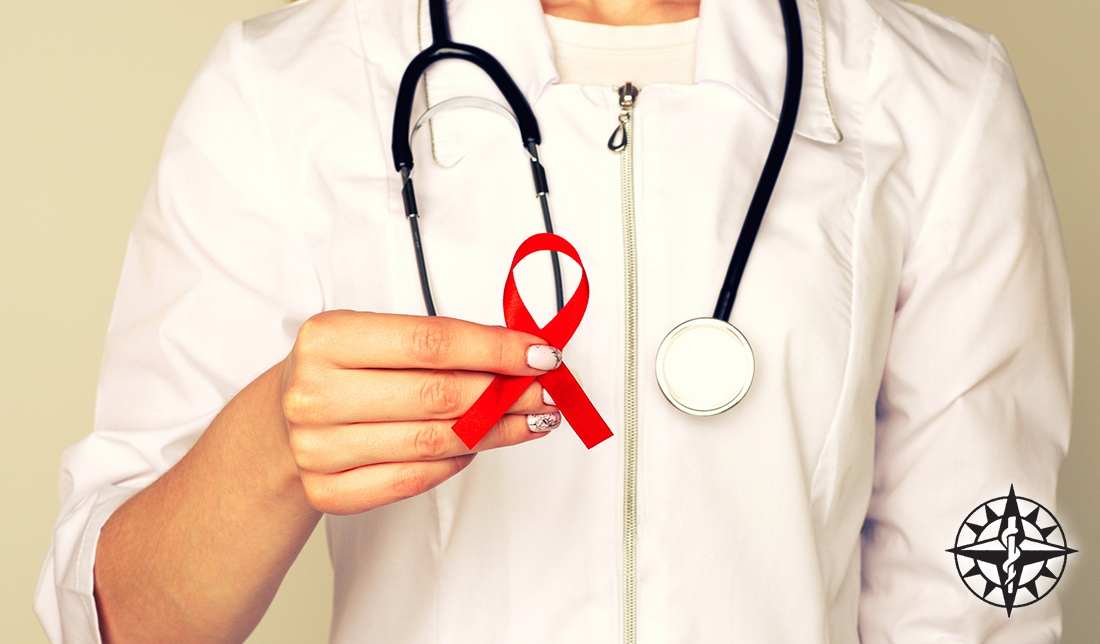
Infectious Disease Associates of Tampa Bay is dedicated to and offers services in line with helping to end HIV while at the same time providing individualized, compassionate care in a comfortable, state of the art settings.
Our available, comprehensive service at our Tampa Bay locations include:
- Diagnostics
- In house testing
- Comprehensive medical treatment
- Access to case management and drug assistance programs
- Pre-exposure prophylaxis (PrEP) and post exposure prophylaxis (PEP)
Our providers have training and expertise in caring for persons with HIV, some with over 30 years’ experience.
We also have access to Clinical trials that include cutting-edge, new medications in development for the treatment and prevention of HIV.
At IDATB, we are here to offer expert guidance and help to those seeking HIV/AIDS treatment. Our personalized options and tailored resources aim to support individuals affected by HIV/AIDS. Rest assured, you will receive the best treatment and specialized care at IDATB.
If you believe you are at risk for contracting HIV, are HIV-positive, need HIV testing, or just someone to talk to about your concerns, do not hesitate to call (813) 251-8444. We also encourage patients to review our services at https://idatb.com/services/. With multiple clinics in the Tampa Bay area, we will help you find an HIV clinic near you.
For more information on HIV, explore our recent blog posts about HIV on the Rise in the Tampa Bay Area and HIV / AIDS – Then and Now.
HIV / AIDS – Then and Now
In November of 1991, Los Angeles Lakers point guard, and basketball superstar, Earvin “Magic” Johnson sent shockwaves around the world when we announced that he had contracted HIV, the virus that causes AIDS. He announced that he would be retiring from the NBA, at the height of his decorated career, no less.
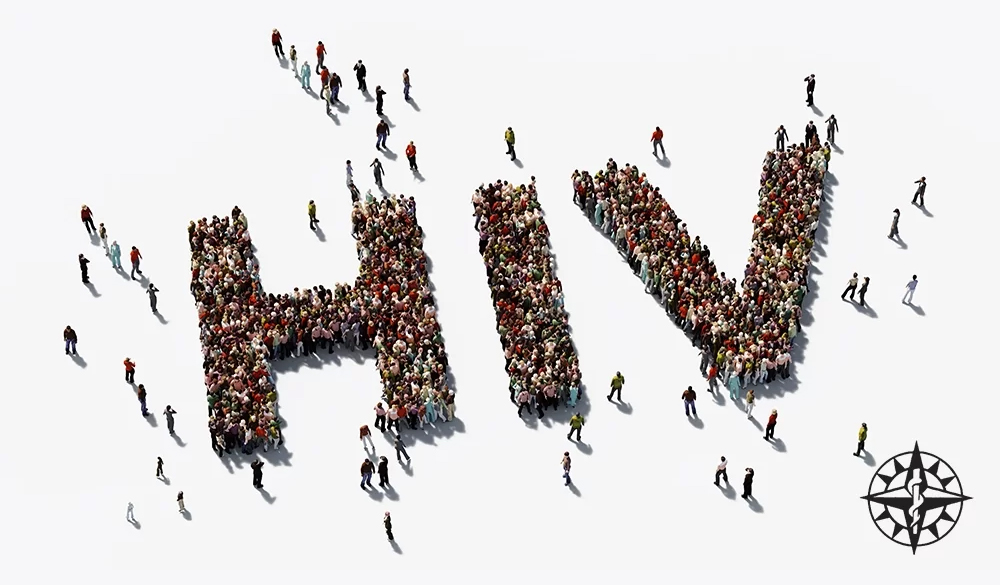
HIV on the Rise in the Tampa Bay Area
Currently, 1.1 million people in the United States are living with HIV. While most regions of the country have seen a slow decrease in the number of new HIV cases each year, the number of new infections in the South has continued to grow at a steady rate and accounts for just under half of all cases in the US.